Welcome to Cotulla: Where Western Legends Came to Life
Growing up in La Salle county, Cotulla, Texas—about 90 miles south of San Antonio—I spent hours watching classic Western movies with my dad. Little did I know, the dusty trails, dangerous frontiers, and brave pioneers in those movies weren’t just Hollywood stories—they had happened right here in LaSalle County.
Our town was built by courageous, hardworking people who learned to survive and thrive in the South Texas brush country. Diving into local history books by Stanley Castro and Annette Martin Ludeman, as well as my own lived experiences here is the story of the resilient people and strong community that built the place we call home.
Masters of Survival: The Coahuiltecans
To understand our home, we have to look back nearly 500 years to the original inhabitants of LaSalle County: the Coahuiltecan tribes. Surviving in the rugged South Texas brush country was no easy task, but these tribes were incredibly tough, resourceful, and deeply connected to the land.
When Spanish explorer Cabeza de Vaca traveled through Texas in 1528, he was amazed by their survival skills. In his journals, he wrote about how they adapted to extreme heat and tough conditions by using every resource the land offered:
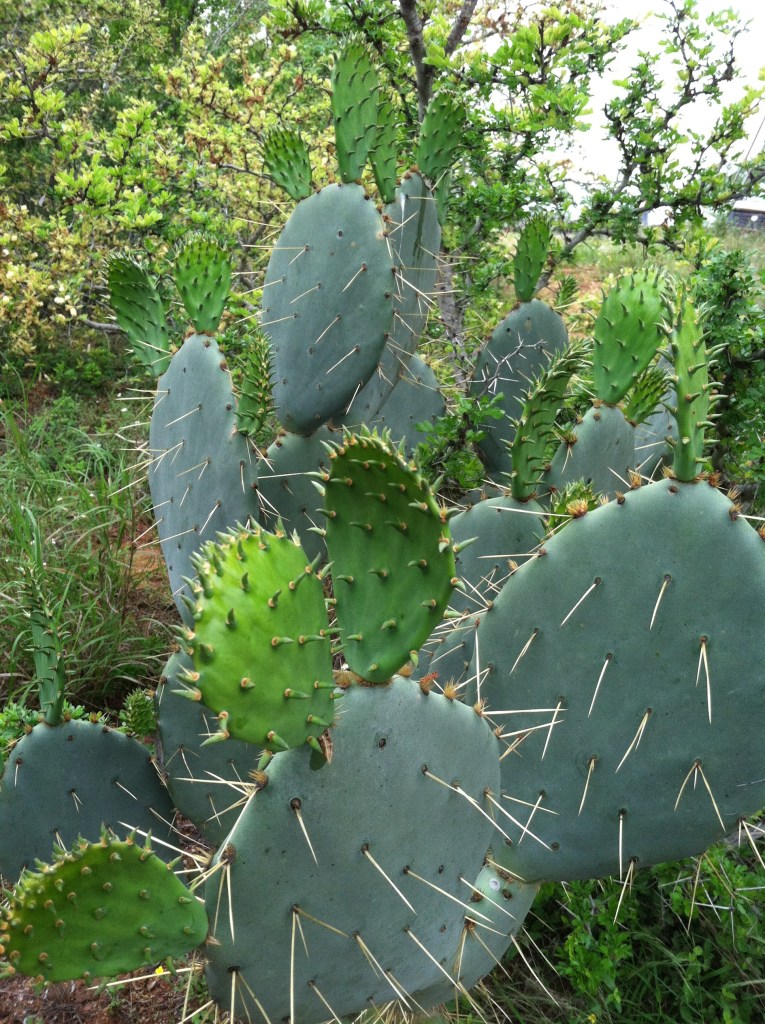
“They used all available native edible resources, especially insects like spiders, worms, and snakes, as well as mesquite beans and prickly pear tuna in season. This enabled them to survive the extreme temperatures and harsh weather conditions.”
Their strength and flexibility allowed them to thrive in a place many outsiders thought was uninhabitable. As Spanish settlers arrived in the 1700s, some Native people were recruited to join mission communities, while others protected their freedom on the open plains. Their deep roots and knowledge of the land laid the groundwork for life in LaSalle County.
Lost World: The Native Tribes of Texas
To truly understand our South Texas roots, we have to look back at the original peoples who called this land home. In 1828 and 1829, a French biologist named Jean-Louis Berlandier traveled through Texas on a Mexican scientific expedition.
He was amazed by the sheer number of different cultures living here, writing in his journals:
“More tribes have lived in Texas during historic times than in any other state in the United States. The great majority were reduced by epidemics, debilitating effects of mission confinement, and lost their tribal identity…”
The Coahuiltecan-speaking tribes lived in San Antonio area and Cibolo creek, extending southward across Rio Grande into present day Mexico.
Preserving Their Memory
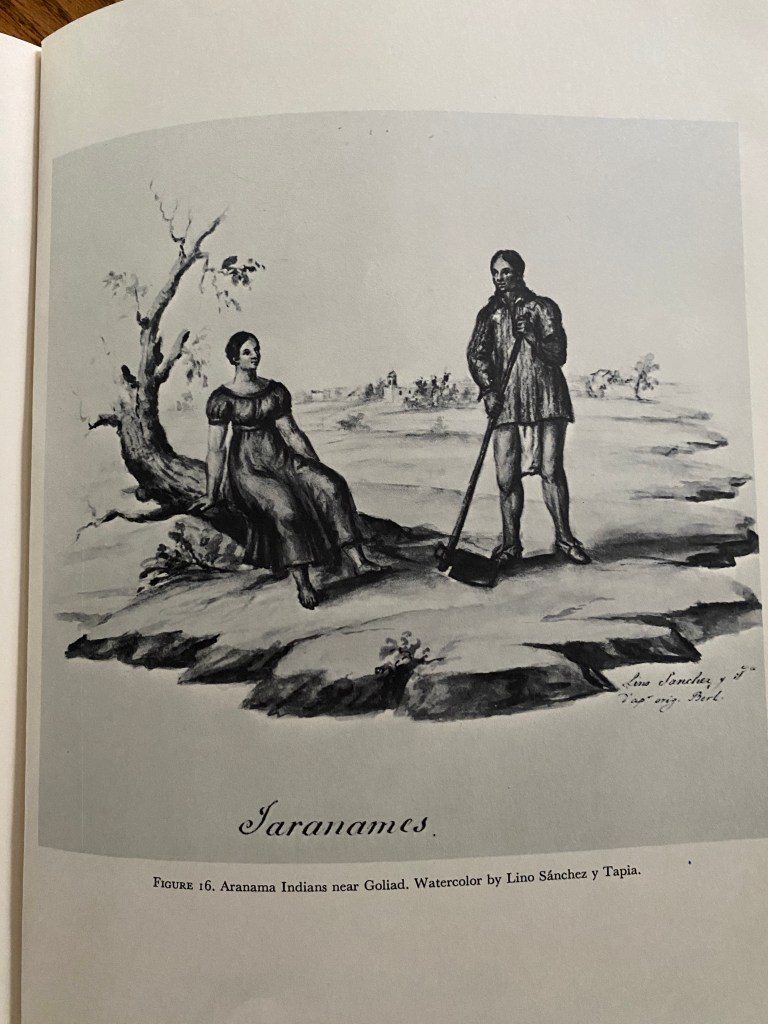
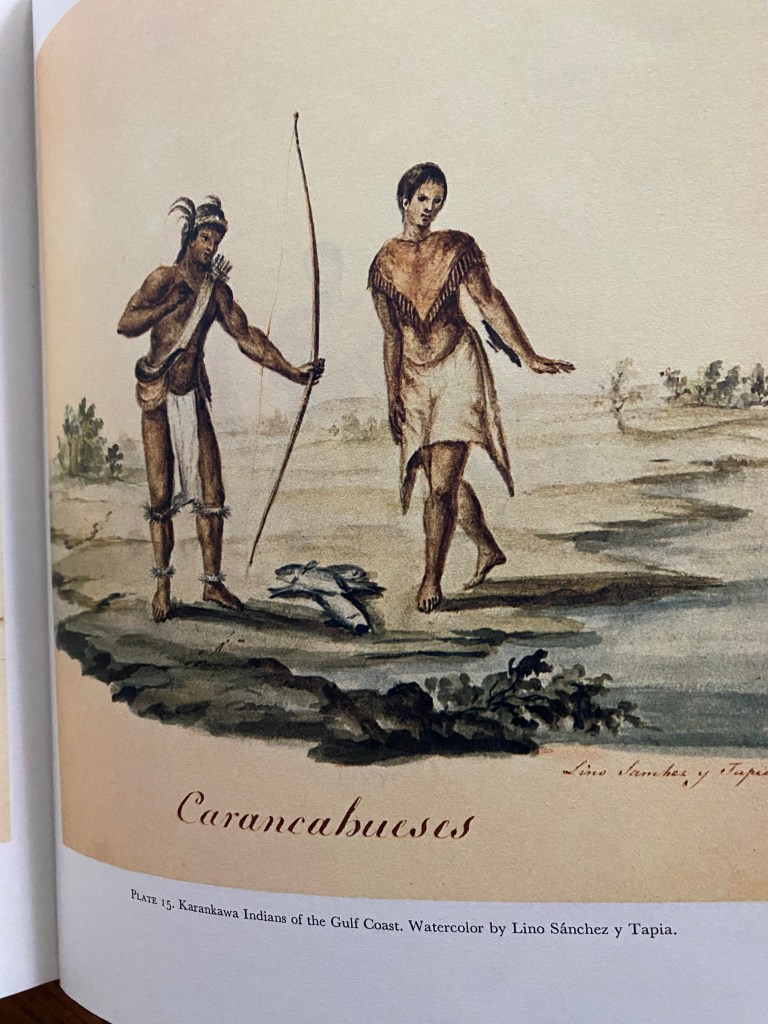
As Berlandier traveled the dusty trails between Laredo and Matamoros in 1829, he met people from the Aranama (a Coahuiltecan-speaking group) and the Karankawa tribe. He made detailed journal notes and drawn black and and white sketches of the people he encountered. The Karankawa Indians were located on the Gulf Coast.
Sadly, due to harsh conditions and historical hardships, these unique tribes did not survive as distinct groups past the 1850s. Berlandier’s writings and artwork remain some of the few surviving eyewitness records of these early South Texas inhabitants, reminding us of the deep, layered history beneath our feet.
A Portrait of Adaptation and Change
In 1818, a small Coahuiltecan group known as the Aranama—numbering about 120 people—settled near the mouth of the San Antonio River at the Espíritu Santo Mission and near Goliad.
When French scientist Jean-Louis Berlandier met them a decade later in 1829, he sketched their portrait, capturing a unique moment of cultural adaptation:
Look closely at the clothing in the sketch(far left): the woman’s high-waisted dress and the man’s woven shirt show how Spanish mission life changed their everyday attire. Yet, you can still see their traditional ways—the man wears classic breechclout with folded moccasins, and the woman walks barefoot.
Mission life was difficult for early Indigenous communities, as disease and rapid changes to their way of life took a heavy toll. Though the Aranama tribe eventually faded from history, Berlandier’s artwork preserves their memory and honors their place as early inhabitants of our South Texas homeland.
(Source: The Indians of Texas in 1830 by Jean-Louis Berlandier)
Warriors of the Coast: The Karankawa
When early explorers first met the Karankawa people along the South Texas coast, they were amazed by their height and physical strength—a fact later confirmed by modern archaeologists studying historical sites across Texas.
During his travels through Texas in 1828, artist Lino Sánchez y Tapia, who accompanied Berlandier in his expedition, he painted this rare watercolor image, capturing key details of Karankawa life: (middle sketch)
Notice the impressive longbow held by the hunter—it was made nearly as tall as the man himself! This powerful bow was his primary tool for shooting fish in shallow bay waters and hunting game in the coastal brush. He wears a feather-circled woven crown and a long breechclout, while the woman wears short-trimmed hair, a short V-shaped upper garment with fringe and a traditional buckskin skirt.
Though the Karankawa faced devastating hardships and population decline over the next few decades, this historic artwork gives us a rare, authentic window into the lives of the tall, formidable people who once roamed our Texas coastline.
Crossroads of the Frontier
Long before Cotulla was a town, our region was a bustling gateway to the West. Spanish soldiers and expedition leaders—such as Alonso de León in 1689 and Diego Ortiz Parrilla in 1766—carved trails through the dense brush. The main highway of the time, the Lower Presidio Road, cut right across the Nueces River just 25 miles south of present-day Cotulla.
In 1807, Lieutenant Zebulon Pike (the explorer famous for Pikes Peak) rode through the area near present-day Millett. Imagine stopping in the South Texas heat under a tree so massive that its trunk measured 29 feet around and its canopy cast over 100 feet of cool shade! That exact giant oak was recorded right here in Pike’s travel journals.
Fort Ewell: A Mud-Brick Stronghold
Living on the frontier took extraordinary toughness. In 1851, a fierce battle took place near the Nueces River between Texas Rangers and local Native Americans, leaving over 200 arrows behind on the battlefield.
To guard travelers along the river crossing, the U.S. Army established Fort Ewell in 1852. Building a fort in the remote wilderness was a huge test of survival and resourcefulness:
Because hauling heavy stone or timber across the brush country was too costly, soldiers used the earth itself—crafting walls out of adobe mud bricks. Though the mud walls were too soft to withstand years of harsh South Texas rain and wind, Fort Ewell served as an essential shield for early pioneers until it was closed in late 1854.
Today, the grounds of Fort Ewell rest quietly on the Catarina Ranch, marking an incredible chapter of bravery in our county’s past
The 1879 Frontier Raid
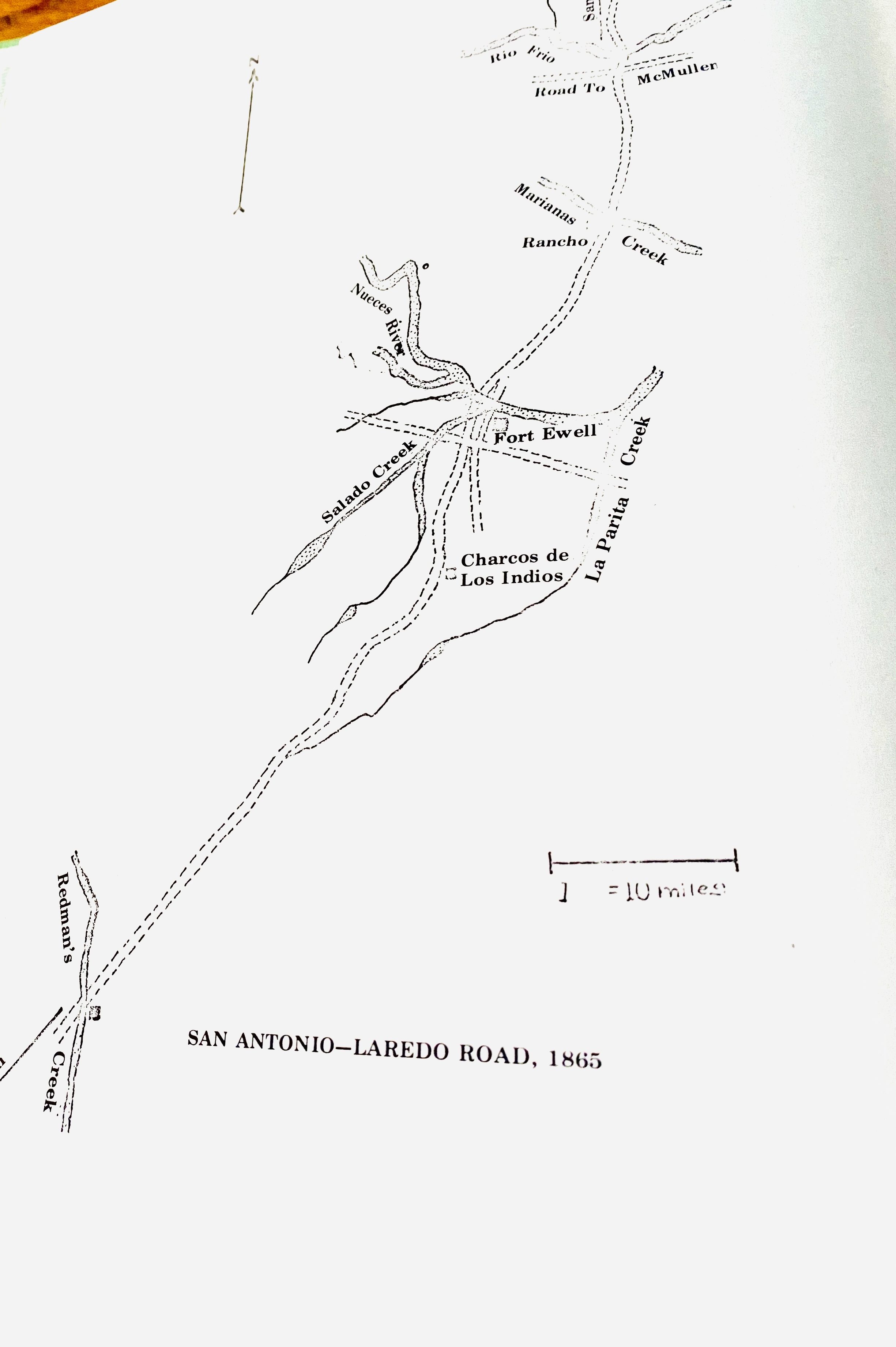
Frontier life required immense courage, as danger remained a constant reality. In 1879, a large band of roughly 40 raiders—including Kickapoo, Lipan, and Seminole fighters, alongside Mexican outlaws and two white renegades—swept across the region.
Starting 14 miles outside Laredo, the raiders followed the Nueces River northward:
- Fort Ewell Outpost: They attacked the outpost, which was defended by Sergeant Oglesby and just 12 men.
- Steele Sheep Ranch: The raid resulted in heavy tragedy. Among those killed were ranch owner’s brother John Steele, young sons, Richard and George Taylor (ages 12 and 8), and two Mexican sheepherders.
- The Aftermath: The group continued raiding into Duval County before escaping across the border to Santa Rosa, Coahuila, Mexico. The entire community felt this deep loss, yet the surviving families refused to give up on their home.
Life at Lake Cochina: A Frontier Oasis
In 1856, a pioneer named Captain Waugh arrived from Ohio, falling in love with the open South Texas brush country. He described it as a “free territory with no fences,” where massive cattle herds roamed freely between the rivers.
Eight miles outside modern Cotulla lay Lake Cochina, a freshwater oasis along the Nueces River. Because travelers constantly stopped here to rest and water their horses, a vibrant little village called “Iuka” began to bloom.
Imagine stepping into Lake Cochina in the 1860s:
- The Local Gathering Spot: John DeSpain and his sons Wesley and Simpson ran a bustling general store, serving strong “rotgut” whiskey in tin cups while neighbors gathered to play cards and trade news.
- Pioneer Families: Neighbors like the McCoys, the Laxons (Jesse Laxon later served as postmaster), the Lemmons, the Gardiners, and the Wilkins families worked together to raise cattle and build ranches in the brush.
- A Blended Community: The village had about 20 homes. Sixteen belonged to Mexican families whose heritage in the area stretched back for generations, while four belonged to newly arrived families from other U.S. states. Together, these 69 residents created a close-knit community that helped pave the way for Cotulla..
John Cotulla: From Polish Immigrant to Town Founder
Around 1868, early ranchers like Ed Lyons, Gilbert Turner, L.P. Williams, and John Cotulla began grazing cattle along the Nueces River. By 1871, about 150 people received mail through nearby Fort Ewell, living in simple adobe homes and thatched-roof dwellings.
The town of Cotulla (originally spelled Kotula) was named after John Cotulla, born in Wielkie Strzelce, Poland, in 1844.
- A Journey to Texas: John immigrated to Galveston with his widowed mother in 1856 as a 12-year-old boy.
- Building a Life: After serving two years in the Civil War, he married Mary Rieder in Atascosa County and settled permanently in LaSalle County.
- Thriving, Not Just Surviving: Starting from modest beginnings, John expanded his ranching operations to over 30,000 acres across three locations, raising 9 children alongside hundreds of head of cattle and horses.
Queen of the Frontier: The Legend of Amanda Burks
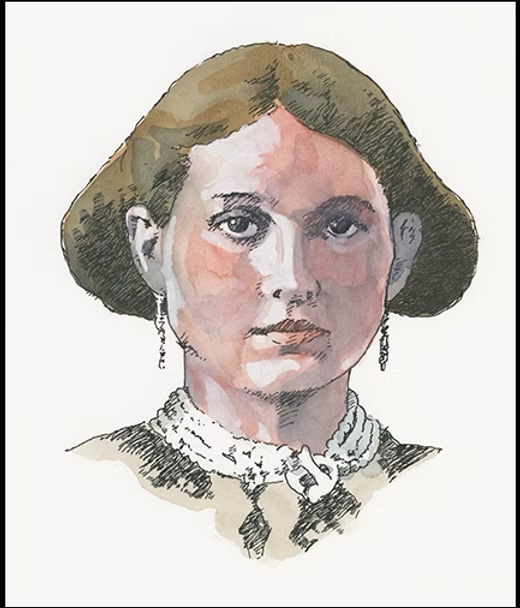
Many of us grew up attending Amanda Burks Elementary School in Cotulla, but few know the incredible story behind the woman whose name is on the building.
In 1876, Amanda Burks and her husband William moved to LaSalle County to build La Mota Ranch (named after a large monte, or clump of trees, surrounding a lake). Amanda was no ordinary pioneer. She was an expert horsewoman who once rode in a horse-drawn buggy all the way to Kansas alongside a cattle drive, earning her the title “Queen of the Trail Drivers.”
A Heart of Iron and Grace
Tragedy struck Amanda repeatedly. She suffered the heartbreaking loss of her two small children, and just months after settling La Mota Ranch, her husband William died in 1877. Shortly after, her brother-in-law was killed in a local dispute. Years later, when her sister-in-law passed away, Amanda opened her heart and arms to raise her three orphaned nieces and nephews.
Instead of giving up, Amanda took charge:
- She personally managed the massive sheep and cattle ranch.
- Every six months, she led heavy supply wagons loaded with wool on a multi-week journey through torrential rain and mud to the port of Corpus Christi.
- She created a warm, loving home for her family, who affectionately called her “Auntie Amanda.”
From Ox Carts to Airplanes
In 1924, Amanda looked back at her life in Cotulla:
“The first time I came to where the thriving town of Cotulla now stands, it had not a house up—people were living in tents… For years, you would not see a house from my ranch to town, a distance of 28 miles. Now, prosperous ranch and farm houses dot the way, and the plow has taken over the haunts of the mustang and the longhorn. The narrow winding roads have been replaced by a graded highway. The automobiles rush by and the airplanes soar overhead.”
When Amanda passed away on September 16, 1931, she left behind a legacy of unstoppable courage.
James Donnell in “East to West” writes it was very fitting that the elementary school of Cotulla would have been named for one of the most outstanding and courageous pioneer women. The name Amanda Burke continues to live on the generations to come and go.
(May 3, 1924, Cotulla Record. “East to West” Junior Historian James Donnell Page 7. March 1953, “Mrs Amanda Burks” by James Donn
The Railroad and the Ranching Empire of Millett
Across LaSalle County—in towns like Millett, Altavista, LaSalle, Cotulla, and Encinal—the arrival of the railroad changed frontier life forever.
At Cibolo Station (along what is now Highway 81), Alonzo Millett built a sprawling ranch headquarters right beside the tracks. Alonzo’s father, Captain E.B. Millett, was a famous cattle trail driver, so Alonzo knew the cattle business inside and out. Alongside his partner, Colonel E.R. Lane, Alonzo built the largest cattle operation in the entire county. Named for its founder, Millett is a small town 10 miles north of Cotulla.
During this era, South Texas ranching underwent a major revolution:
Ranchers realized that traditional Longhorns weren’t the only option. They began introducing Brahma and Santa Gertrudis cattle, which grew faster and fatter in the tough brush country. Decades later, my own dad stocked these same resilient breeds on our Rancho Blanco—a tradition rooted right here in LaSalle County history.
High Culture on the Frontier
Perhaps the most fascinating figure in Millett was Alonzo’s wife, Colberta Millett.
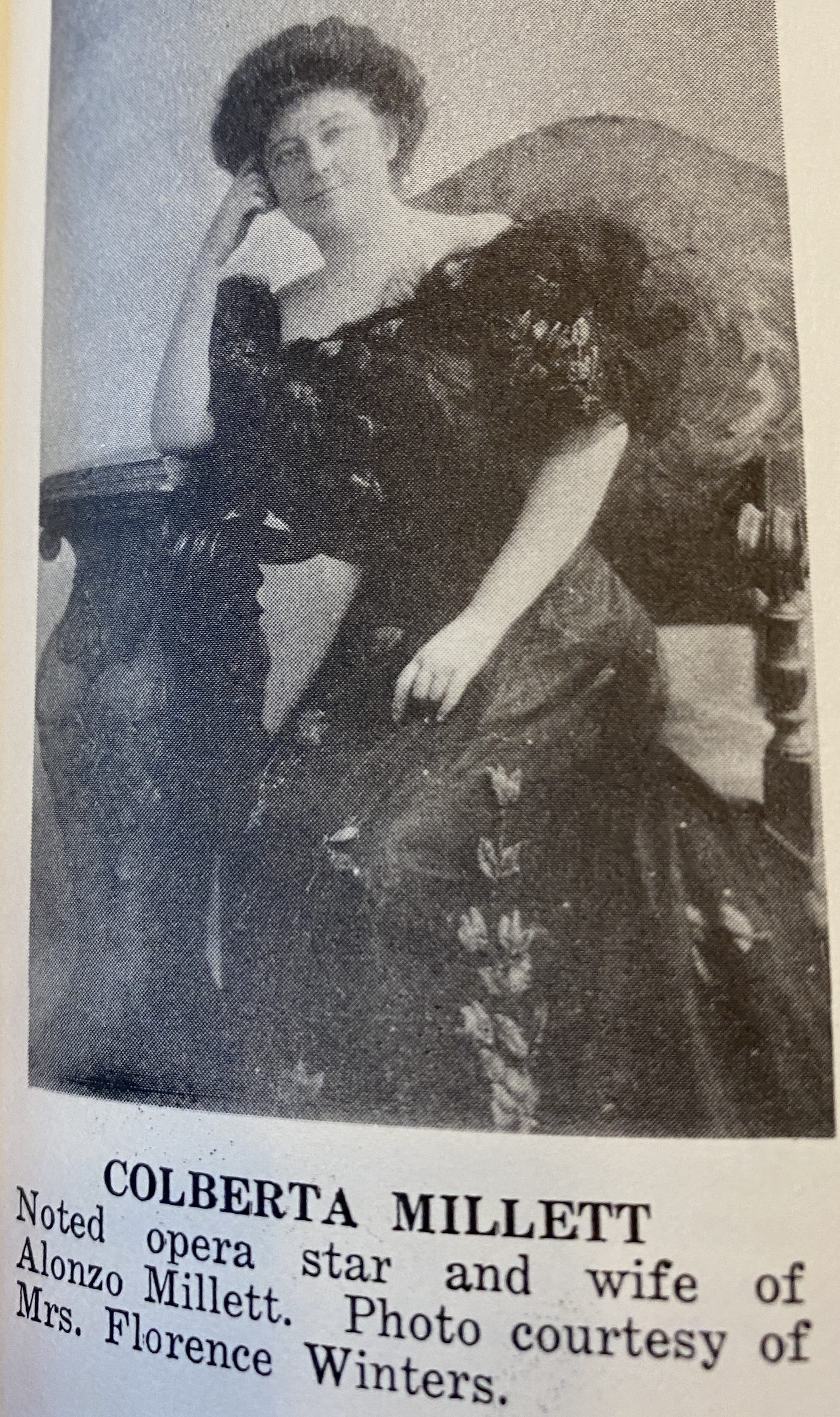
Colberta was a grand opera singer who had trained at the world-famous Boston Conservatory of Music and studied voice and piano in Berlin, Germany. Before touring Europe as a star, she would take the train down from San Antonio to escape to the South Texas wilderness.
She loved the ranch so much that she would bring her music students down to the brush country to practice their lessons in the open air. Local ranchers and cowboys—unaccustomed to world-class opera stars—watched with fascination as the elegant Mrs. Millett strolled barefoot from her home across the dirt railroad tracks just to check the mail!
The Golden Age of Farming in Millett
Following the success of big cattle ranchers like D.W. McKay, J.H. Jacob, Joe Cotulla, and G.R. Newman, Millett became a powerhouse of South Texas agriculture. The region embraced modern tech early on, boasting the county’s first electric dairy farm with its own electric milk cooler and mill.
In 1877, a visionary farmer named George Corp asked the county to build a dam across the Nueces River. Once irrigation arrived, the brush country transformed into green fields yielding world-class spinach, tomatoes, peppers, and watermelons shipped across the country.
Fun Fact: The Great Onion War! Onions grew exceptionally well in Millett, but there was one unexpected rival: local quail! The birds loved eating the sweet onion crops so much that farmers started handing out free ammunition to locals just to keep the quail away from their fields.
Pride, Small-Town Joy, and Tough Times
Despite its small size, Millett was packed with energy and pride:
- Life as a Frontier Teen: Teenagers in the early 1900s gathered for hayrides, evening serenades, and community parties. Girls and boys competed on local basketball, baseball, and tennis teams.
- A Historic FFA Achievement: In 1938, a local student named Polito Bazán made national news. Representing Cotulla High School, this young man of Mexican heritage from Millett traveled to Kansas City, where he was named American Young Farmer of the Year by the National FFA.
Standing Strong Through Fire and Drought
The story of Millett is ultimately one of resilience. The town weathered incredible disasters—from a 1919 hurricane that knocked over the water tower, to devastating fires that claimed the cotton gin (1882), the Catholic Church (1920), and the town hotel (1958).
When a brutal drought struck South Texas from 1949 to 1956, farming naturally shrank, and students eventually transitioned to schools in Cotulla and Dilley. But the spirit of innovation, hard work, and togetherness built during those early years remains an unforgettable part of our county’s story.
The Wild Beginning of LaSalle County
The story of our county begins with a famous shipwreck. In 1684, the French explorer Sieur de La Salle sailed from Canada to the Gulf of Mexico with four ships, looking for the Pacific Ocean via the Mississippi River. Violent hurricanes blew his fleet off course, grounding them along the Texas coast near Espirito Bay. His group fell prey to the Comanche or Carancahua Indians. Though the expedition ended tragically in the Texas wilderness, La Salle’s voyage placed this region on early world maps, leading Texas leaders to name our county after him.
For centuries, this brush country was a dangerous and open frontier. Following Spanish explorations in the early 1700s, the land between the Nueces River and the Rio Grande remained part of Mexico. It was not until the Treaty of Guadalupe Hidalgo in 1848 that the Rio Grande officially became the U.S. border. In 1845, this area was mostly inhabited with nomadic Indians, isolated Mexican ranchers and very sparsely populated. I learned there were Mexican families here long before the European immigrants arrived.
Because the land was so rugged, LaSalle County was officially organized late—in 1880. Early records show that by 1880, around 789 people called the county home, initially raising sheep before shifting to hardier cattle.
Voices from the Past: The 1870 Census
When you look at the 1870 Census for LaSalle County, you see a true mosaic of early frontier people—Tejanos, Anglo settlers, and European immigrants living side-by-side:
- Felipe Garcia (17) & Santiago Garcia (26) from Mexico
- Frank Wright (20) & William Waugh (36) from Georgia
- Felipe Hernandez (18) & John DeSpain (30) from Texas
- Richard Meginley (28) from England
- William Stuart (45), a local merchant
Uncovering Our Family Legacy
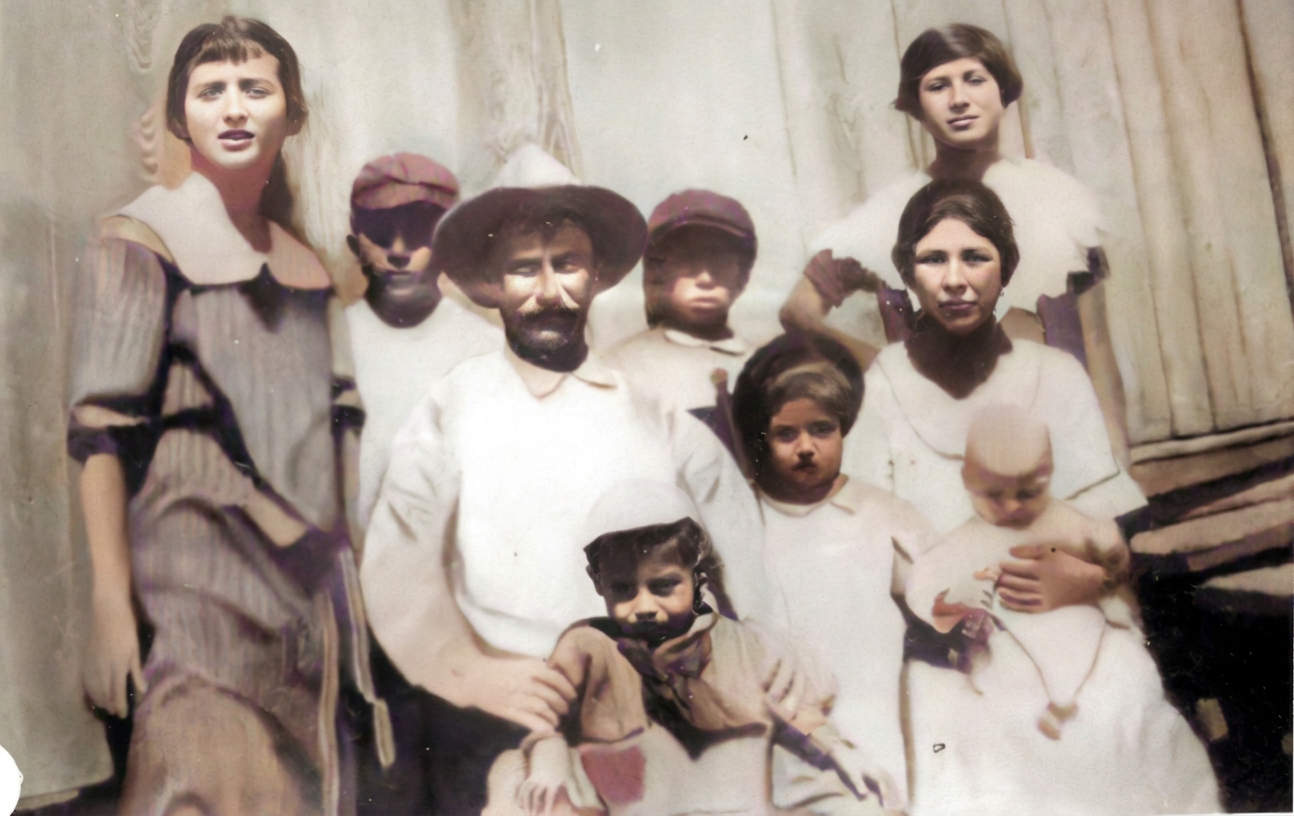
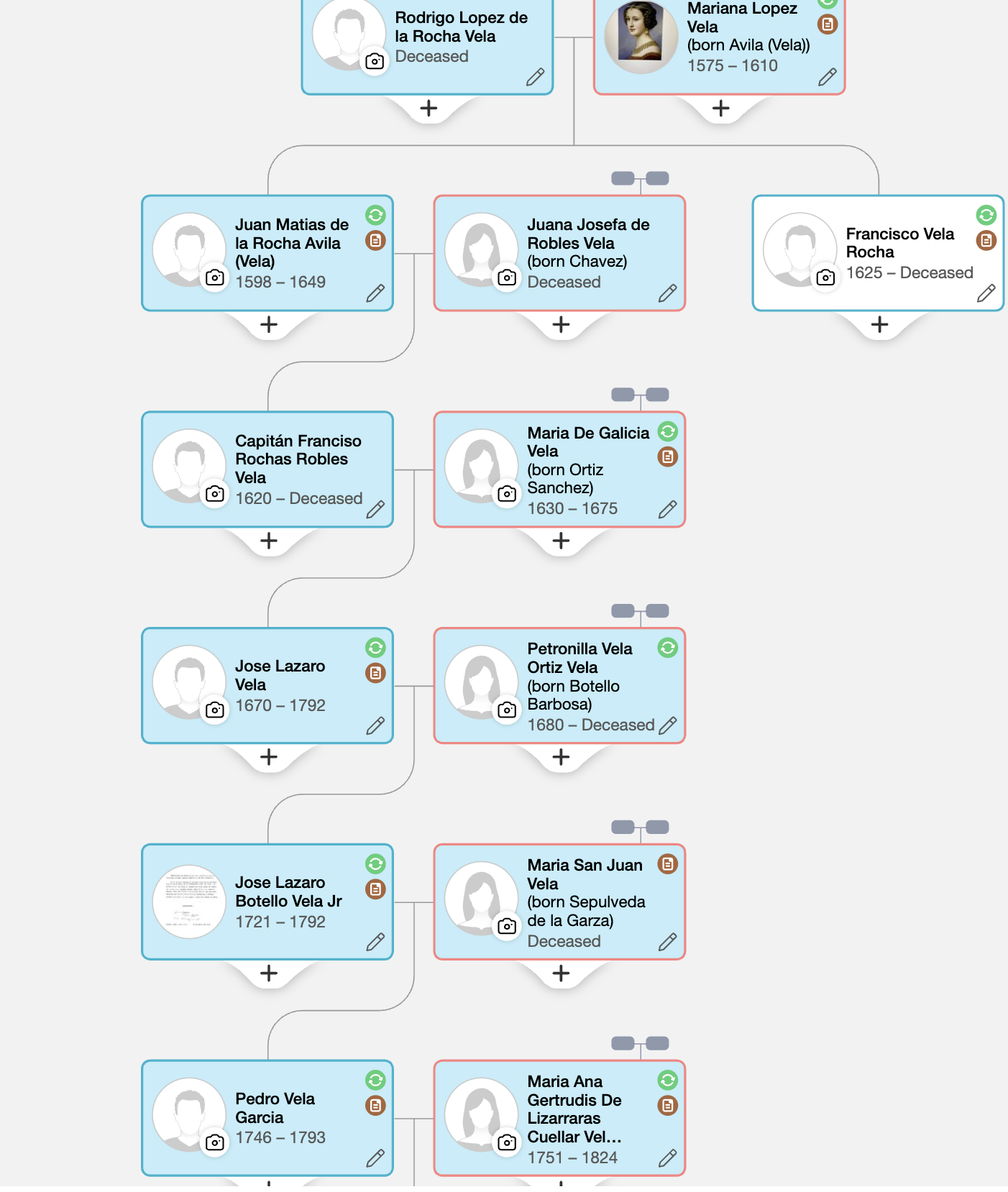
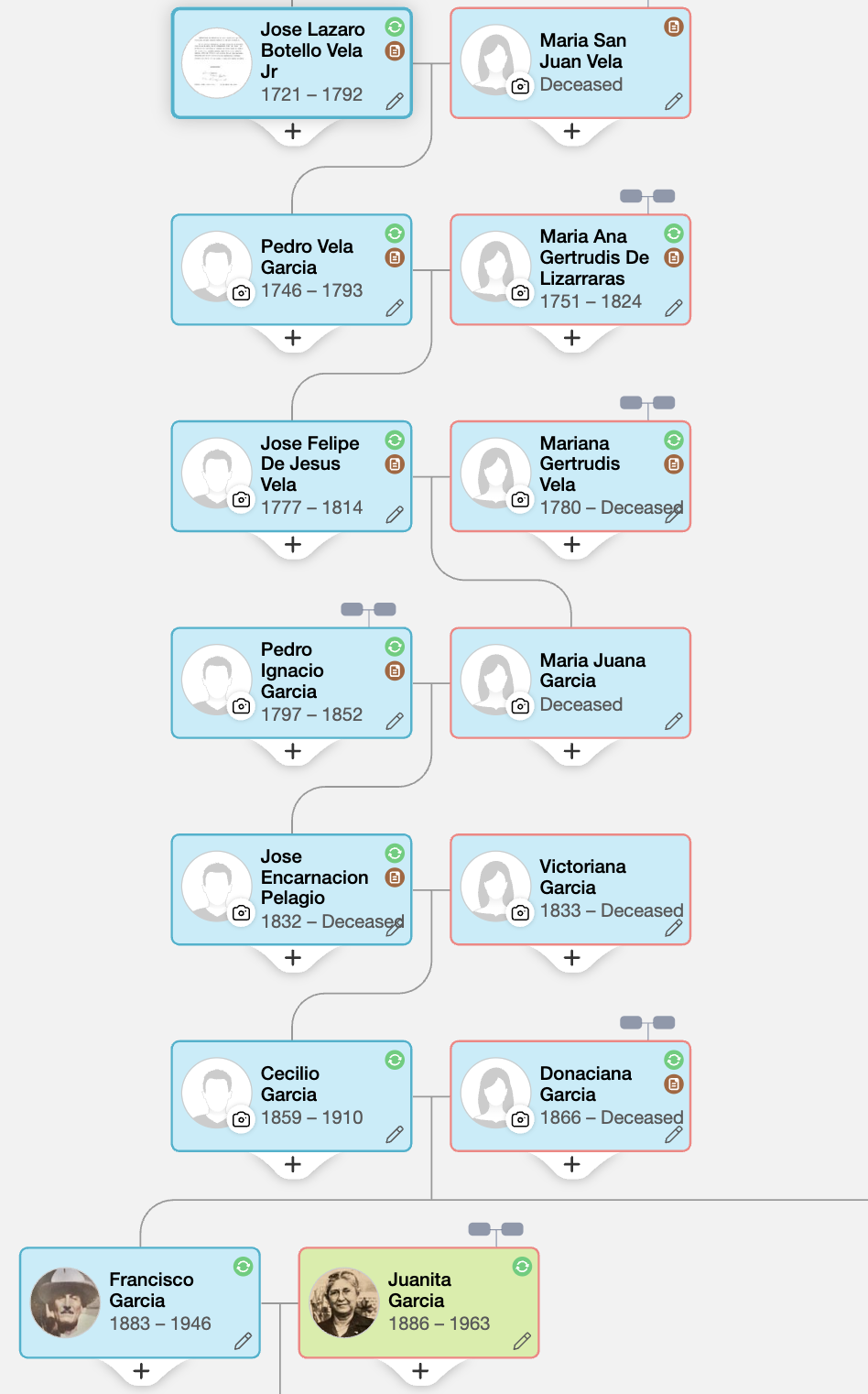
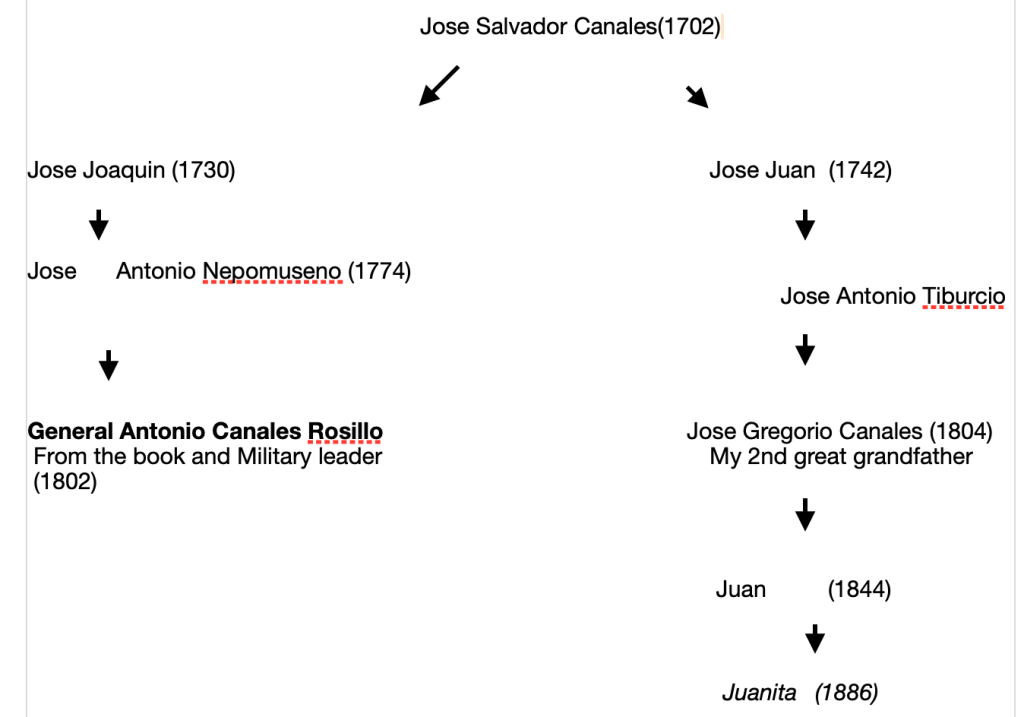
This census holds a very special meaning for our family. My grandfather’s last name was Garcia. While I know he brought our family to settle in Cotulla between 1915 and 1930, seeing Felipe and Santiago Garcia listed in LaSalle County as early as 1870 opens an exciting window into our past. These inhabitants had Mexican heritage, probably had been born and lived in the area when it was considered Mexico.
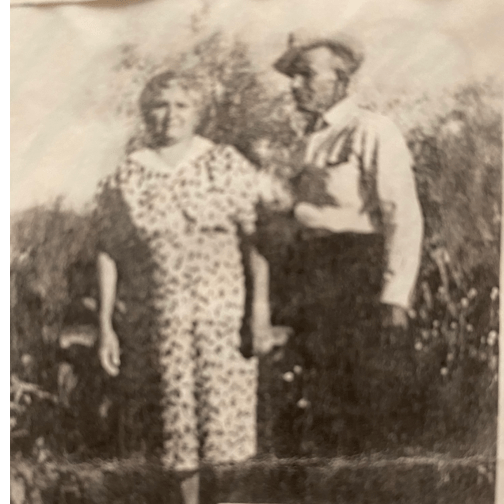
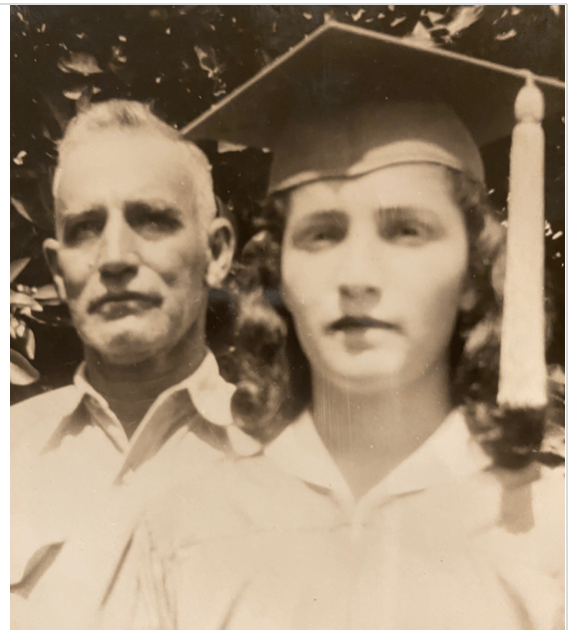
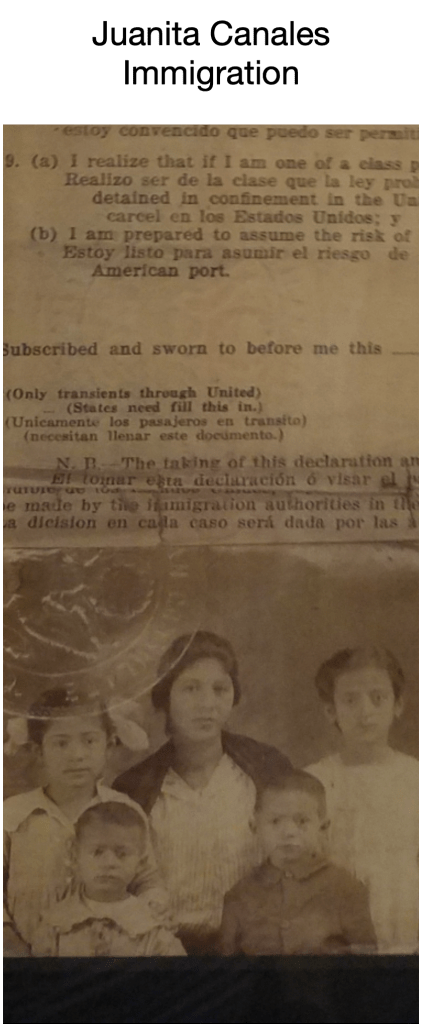
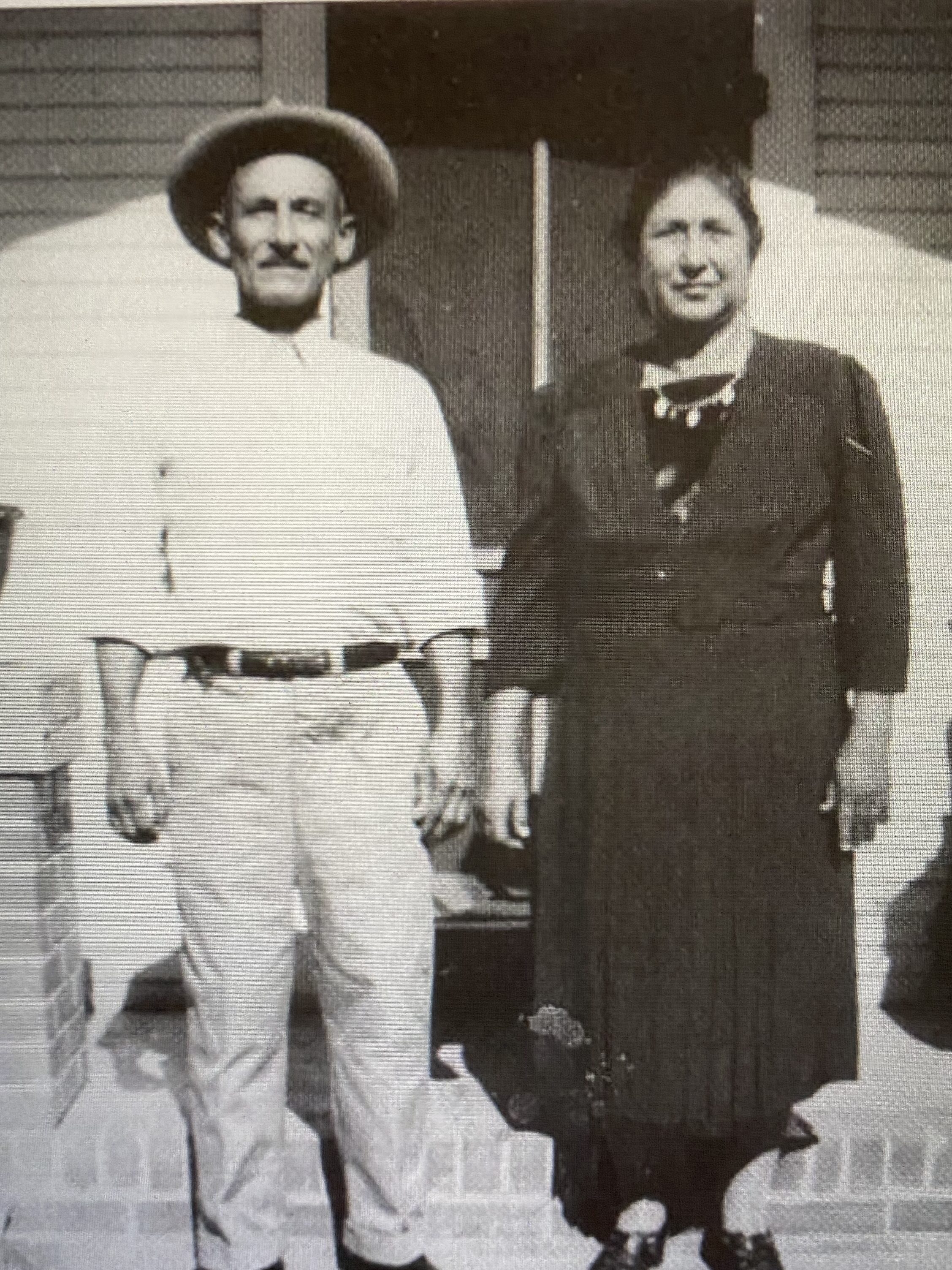
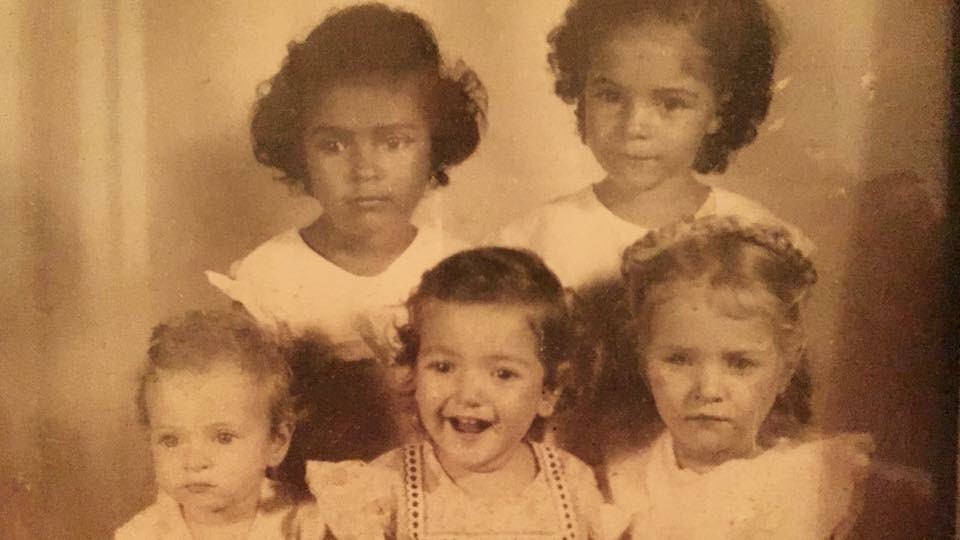
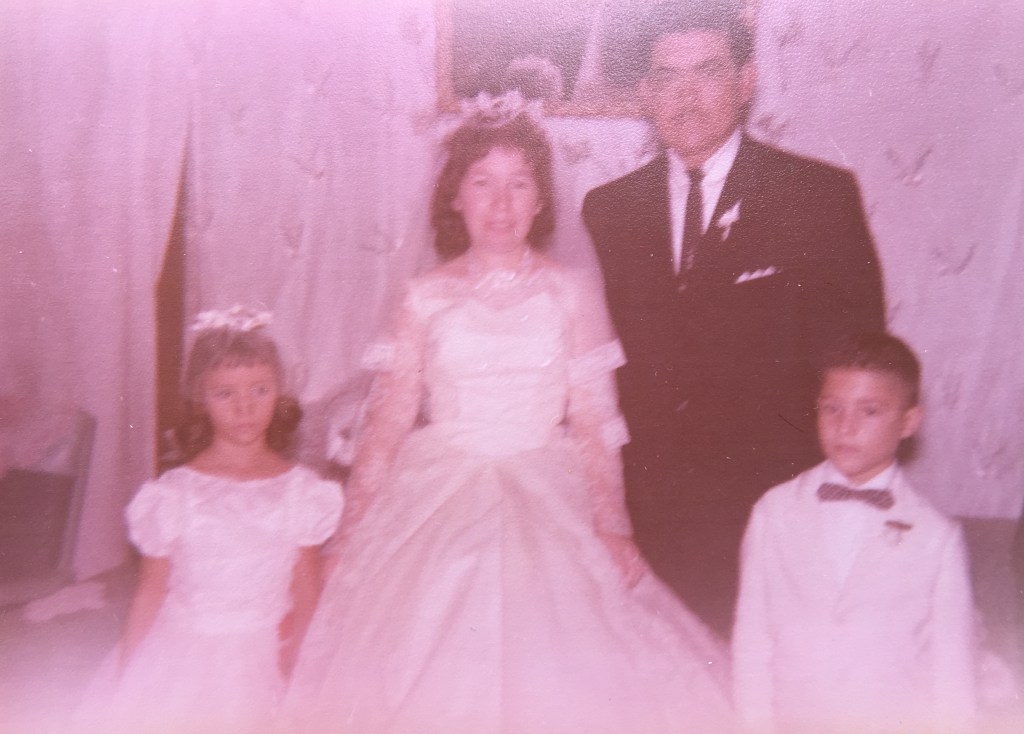
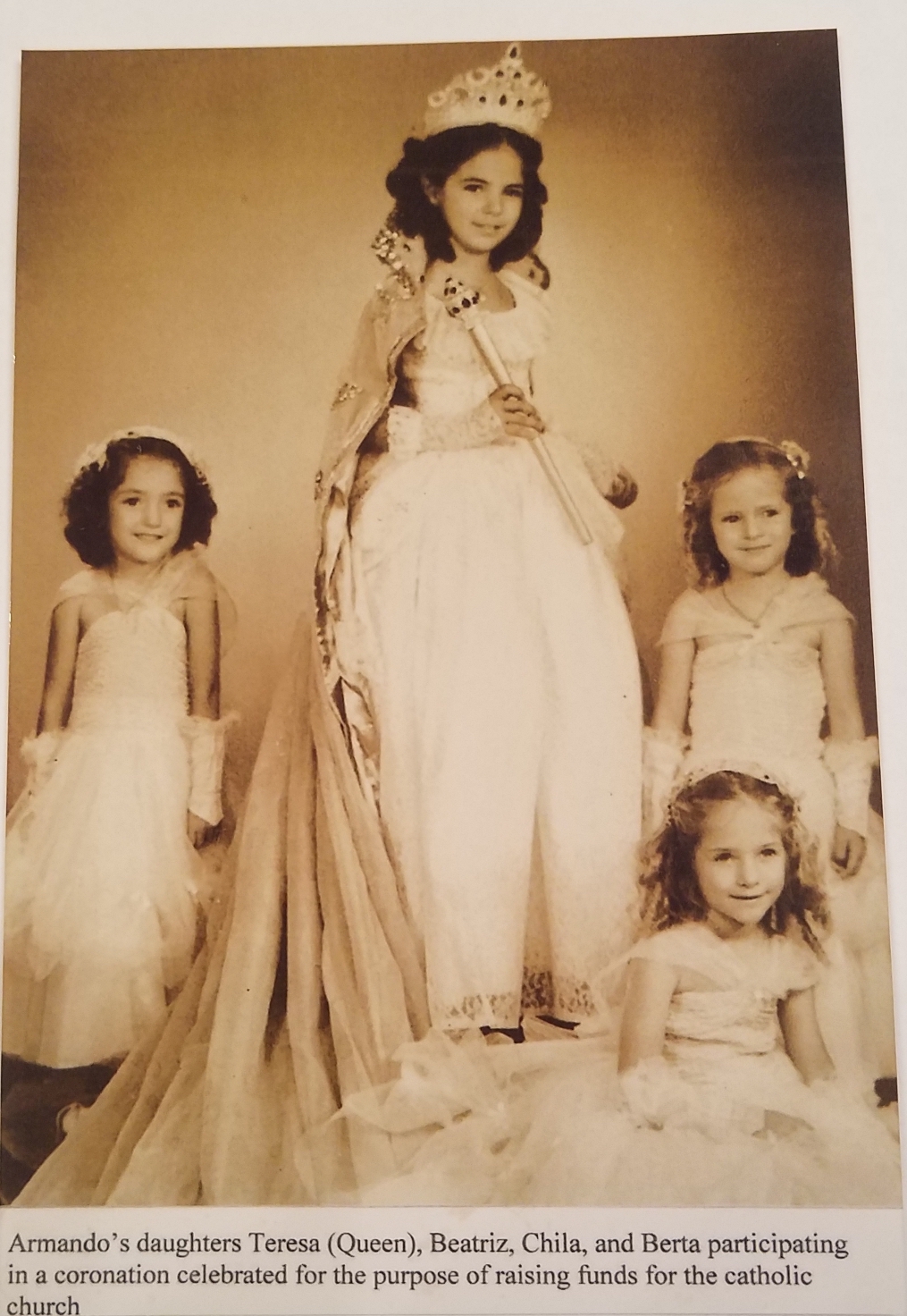
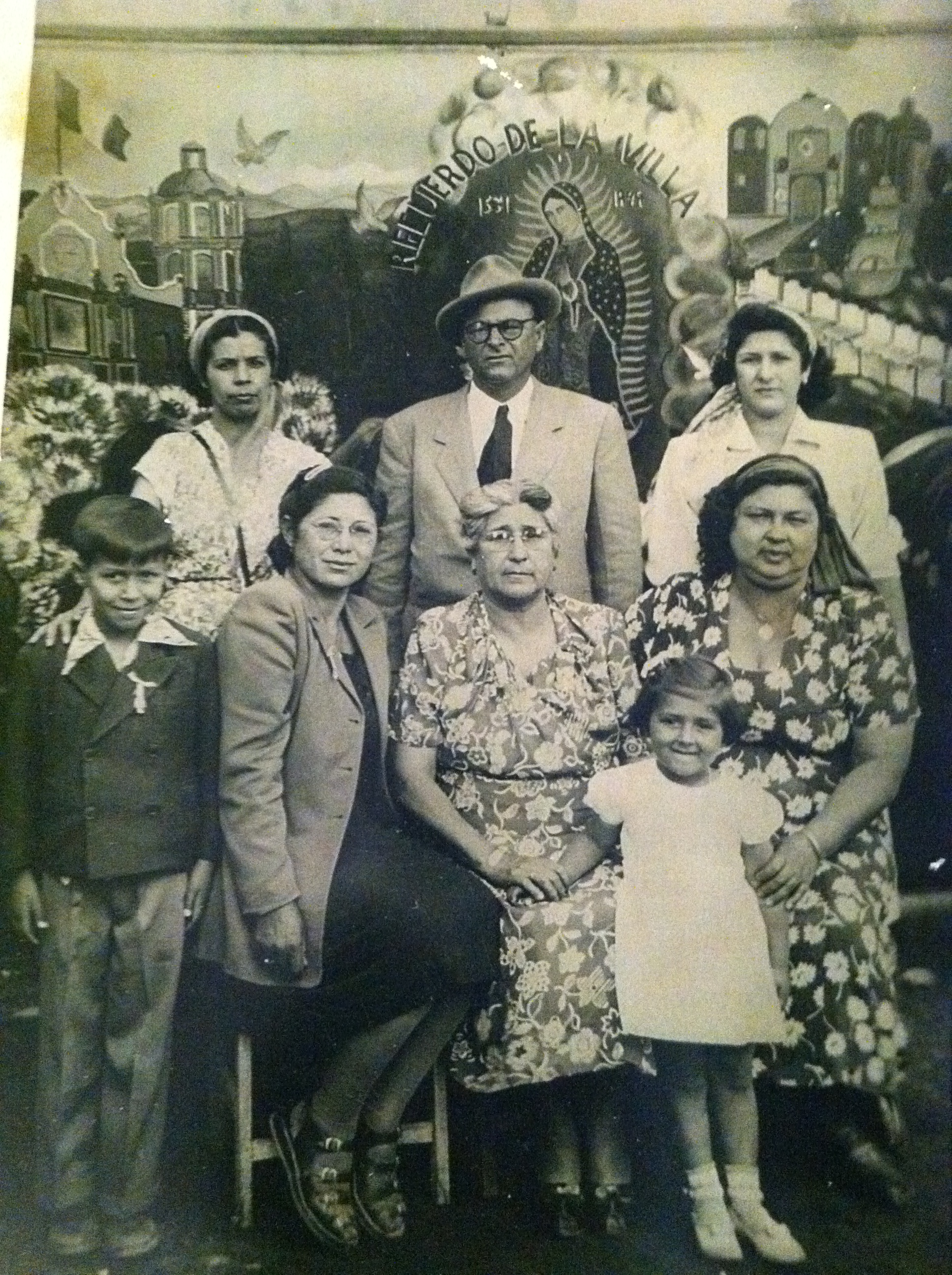
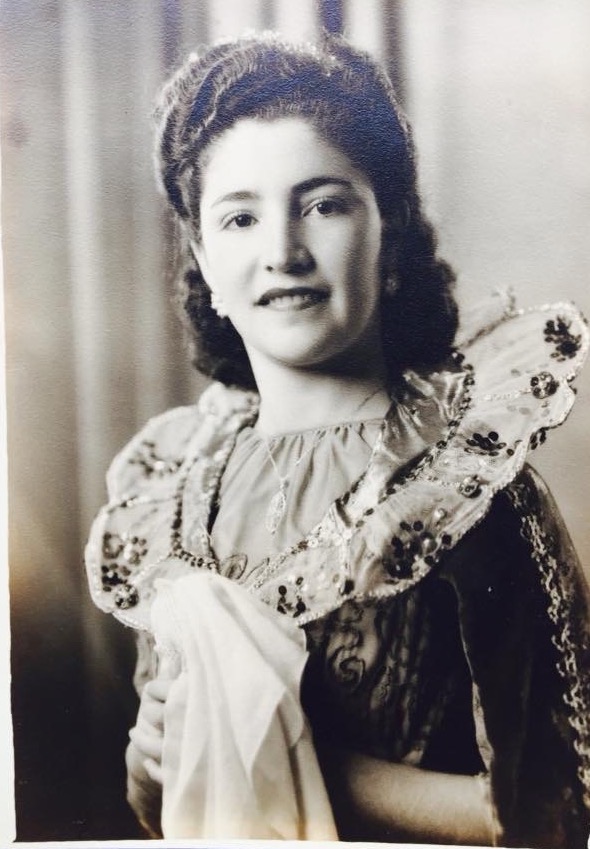
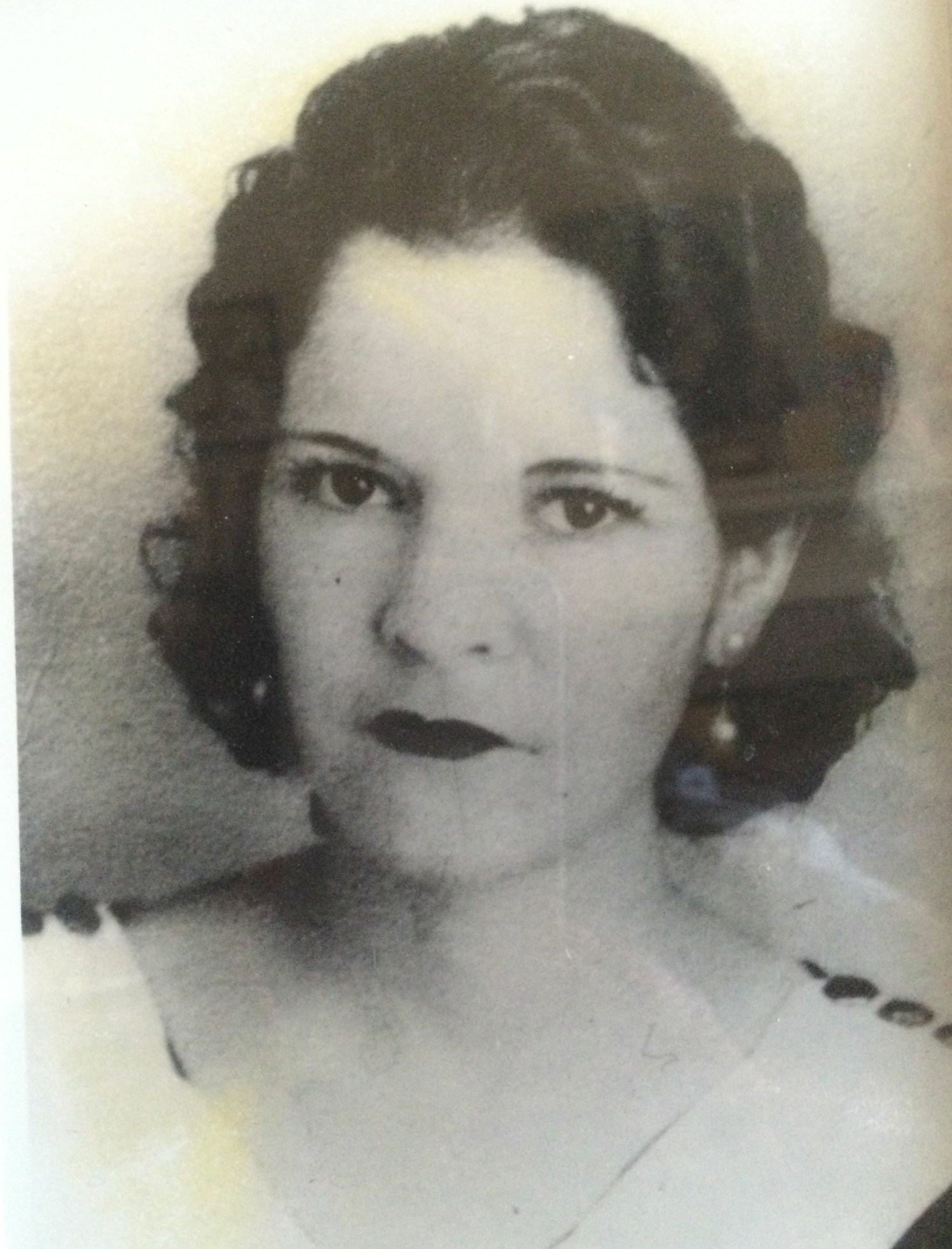
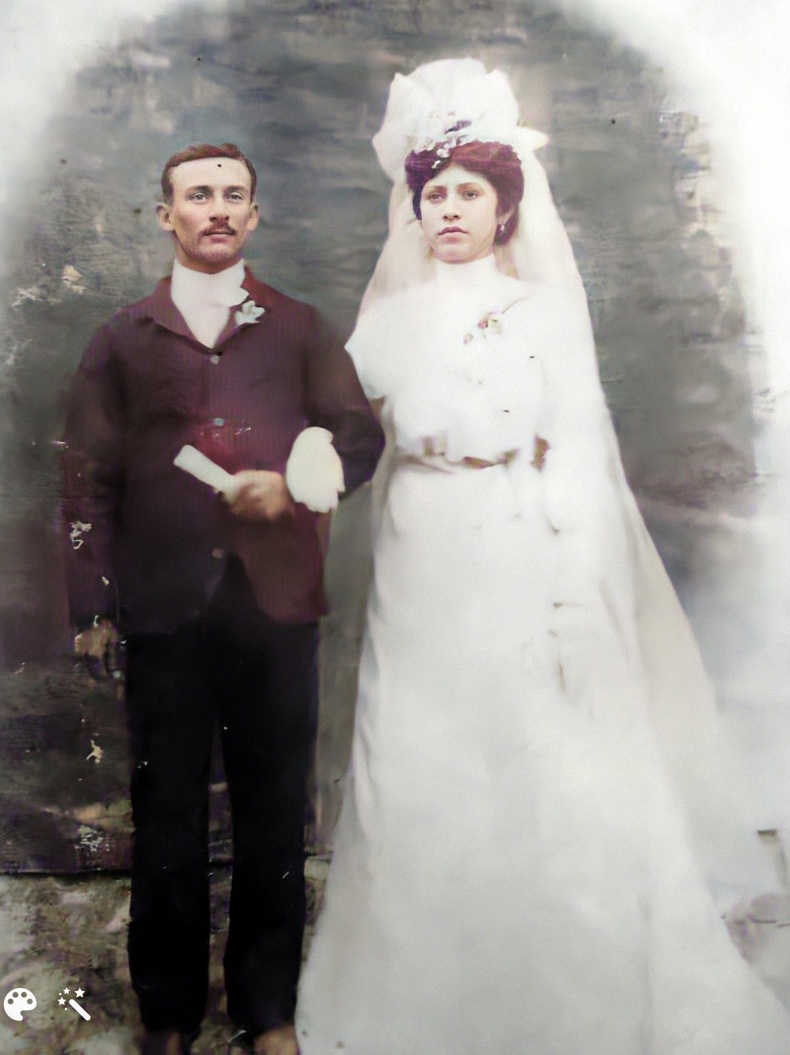
Could these early pioneers be our direct ancestors? As I continue researching our family tree, discovering our connection to these early Garcia pioneers could be one of the most rewarding chapters of our family story. My Uncle Dan was born in LaSalle County in 1915 confirmed in Draft Registration and other documents. Census Records show the family in Laredo, Webb County in 1920 and in LaSalle County in 1930. My father, Reynaldo was born in Webb County in 1921. Family members in photo include Ophelia, Armando, Francisco, Daniel, Consuelo, Juanita holding Manuel. Reynaldo is on Francisco’s lap and Ernestina is behind her mother. Francisco’s occupation in 1920 is driver (auto livery) and in 1930 Laborer, general farmer. Armando at age 19 is a salesman in a grocery store. Francisco, Juanita, Ophelia, and Ernestina can read and write. The daughters at 12 and 10 years old are attending school and speak English. Census records indicate immigration to US is in 1903 for parents, 1907 for Ophelia, 1909 for Ernestina, 1911 for Armando.
A County Built on Livestock
Imagine standing on a hill in LaSalle County in 1882 and looking out across nearly one million acres of open land. Tax records show that the countryside was alive with thousands upon thousands of grazing animals:
Over 152,000 sheep, 16,000 cattle, 15,000 goats, and thousands of horses and mules covered the county. In those early years, sheep actually outnumbered cattle almost ten to one!
“Keep Your Handguns Loaded!”
Living in South Texas around 1900 required constant vigilance. Towns like Cotulla and Millett were wild places where the law had a hard time keeping up with the cowboys, gamblers, and outlaws who passed through.
Fed up with the chaos, residents of Millett voted in 1898 to outlaw alcohol and hire a dedicated deputy sheriff. Yet, county records show that local lawmen stayed busy arresting folks for everything from cattle rustling and fence-cutting to carrying concealed weapons and public card games.
Our family has its own memory of those wild times: My sister, Juanita Sanchez, lived in Cotulla for years and remembered hearing stories passed down from local old-timers. Whenever the passenger train neared town, the conductor would walk through the cars shouting a warning:
“We are going past Cotulla—keep your handguns near and loaded!”
It was a stark reminder to travelers that they were passing through a tough, unbridled frontier town—a place where only the strongest and most resilient communities could survive.
Celebrations and Sweet Water
By the early 1900s, Cotulla was rapidly modernizing. In September 1907, the community gathered for a legendary Labor Day celebration packed with community barbecues, high-stakes horse races, and a grand ball inside the town’s roller-skating rink!
Water was always the key to survival in the brush country. In 1910, John Cotulla drilled a well 2,200 feet deep and hit a massive underground stream of crystal-clear water. By 1915, additional wells were drilled, giving Cotulla families what was considered some of the finest, softest running tap water in South Texas.
Growing Schools, Growing Divisions
Between 1922 and 1931, student enrollment in Cotulla doubled, with thousands more children attending small schoolhouses across rural communities like Artesia Wells, Encinal, Fowlerton, and Los Angeles.
However, growth brought troubling social divides. While early 1900s classrooms were often integrated, the district eventually segregated its elementary schools along ethnic lines:
- Amanda Burks Elementary: Located on the west side of the tracks for Anglo students. New facility built in 1953.
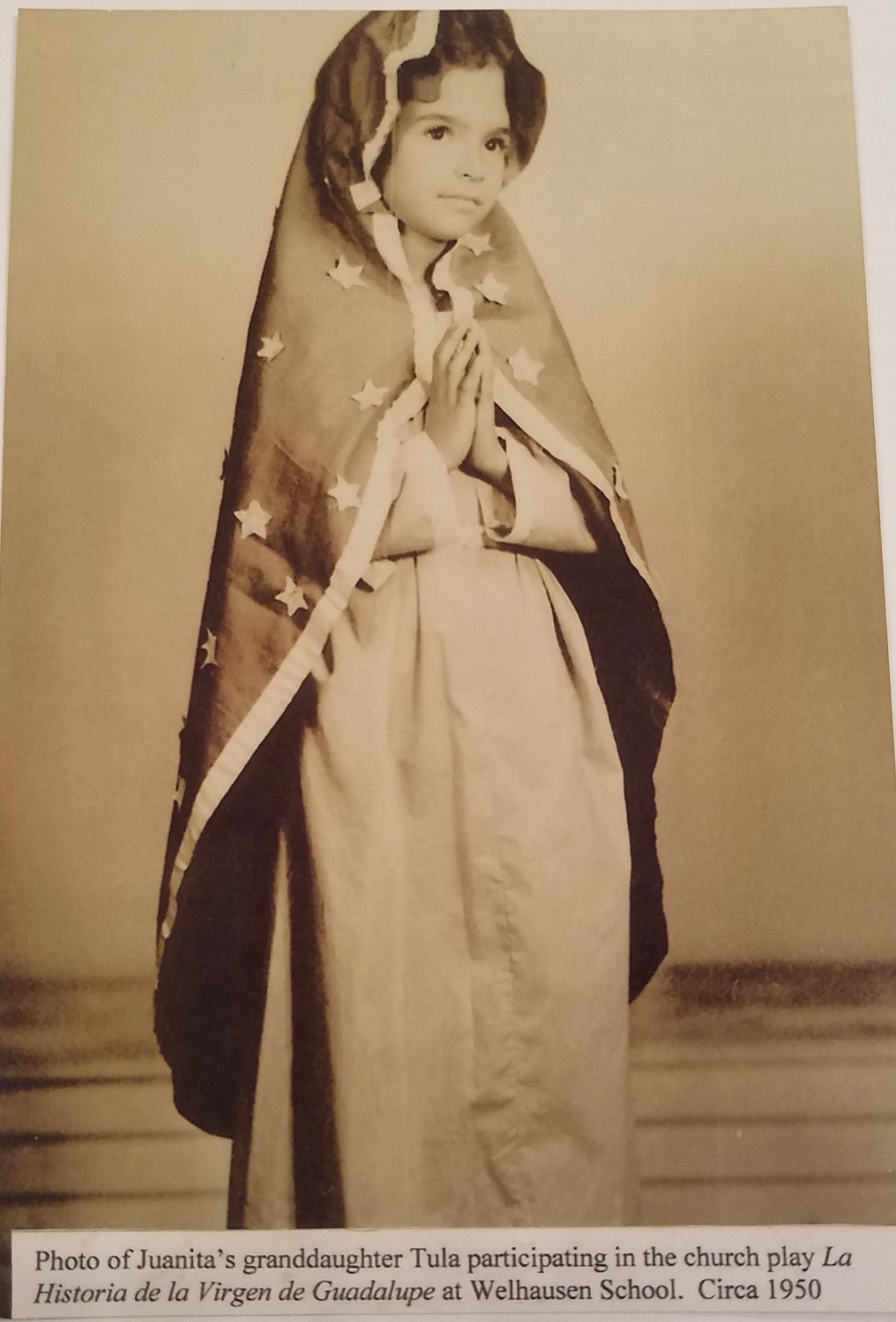
- Welhausen School: Located on the east side of the tracks for Mexican American students. The place President LBJ taught in 1928-29, that helped shape his “War on Poverty” polices.
As oral histories and local records document, Welhausen School was severely neglected by local administrators—lacking basic supplies, quality books, and essential educational opportunities.
Taking a Stand: How Aunt Mary Integrated Our Local School
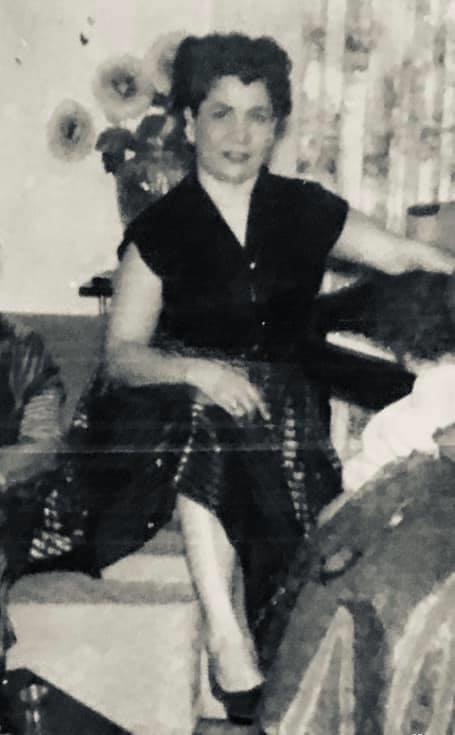
Our family didn’t just watch South Texas history unfold—we helped write it.
I interviewed my cousin, Graciela Garcia to hear her recollection. In the 1960s, her mom and my Aunt Mary Garcia (wife of Dan Garcia) saw firsthand how the segregated Welhausen School was depriving Mexican American children of a fair education. Just the year before, several local families including my uncle, had tried to enroll their children at the all-white Amanda Burks Elementary, only to be turned away.
Aunt Mary refused to accept second-class status for our children. On the first morning of the school year, she took a giant leap of faith:
Instead of waiting for permission, Aunt Mary drove her daughter Lula and her niece Berta straight to Amanda Burks Elementary and walked them inside. She went home that morning with a pounding heart, fully expecting a phone call demanding she come pick the girls up.
She stood her ground and waited. That phone call never came.
By boldly assuming her children belonged there, Aunt Mary successfully integrated the school. She continued her fight by joining the growing political movement across South Texas to dismantle school segregation permanently. Her victory proved that our community possessed the courage to demand equal rights and a brighter future.
Overcoming Barriers at Home
Aunt Mary’s bravery opened the doors of Amanda Burks Elementary for my older brothers in the years that followed.
However, entering an all-English classroom presented a new challenge. Because our family spoke Spanish at home, my older brothers, Frank and Luis, initially struggled to keep up with their lessons. Seeing their challenge, my parents acted quickly:
- They began prioritizing English conversations at home.
- They encouraged us to watch English-language television shows to build our vocabulary.
- They worked closely with teachers to support my brothers’ studies.
Thanks to our parents’ dedication and adaptability, my brothers caught up with their classmates. It was one more example of how our family faced obstacles head-on—combining courage in the community with hard work at home to ensure the next generation thrived.
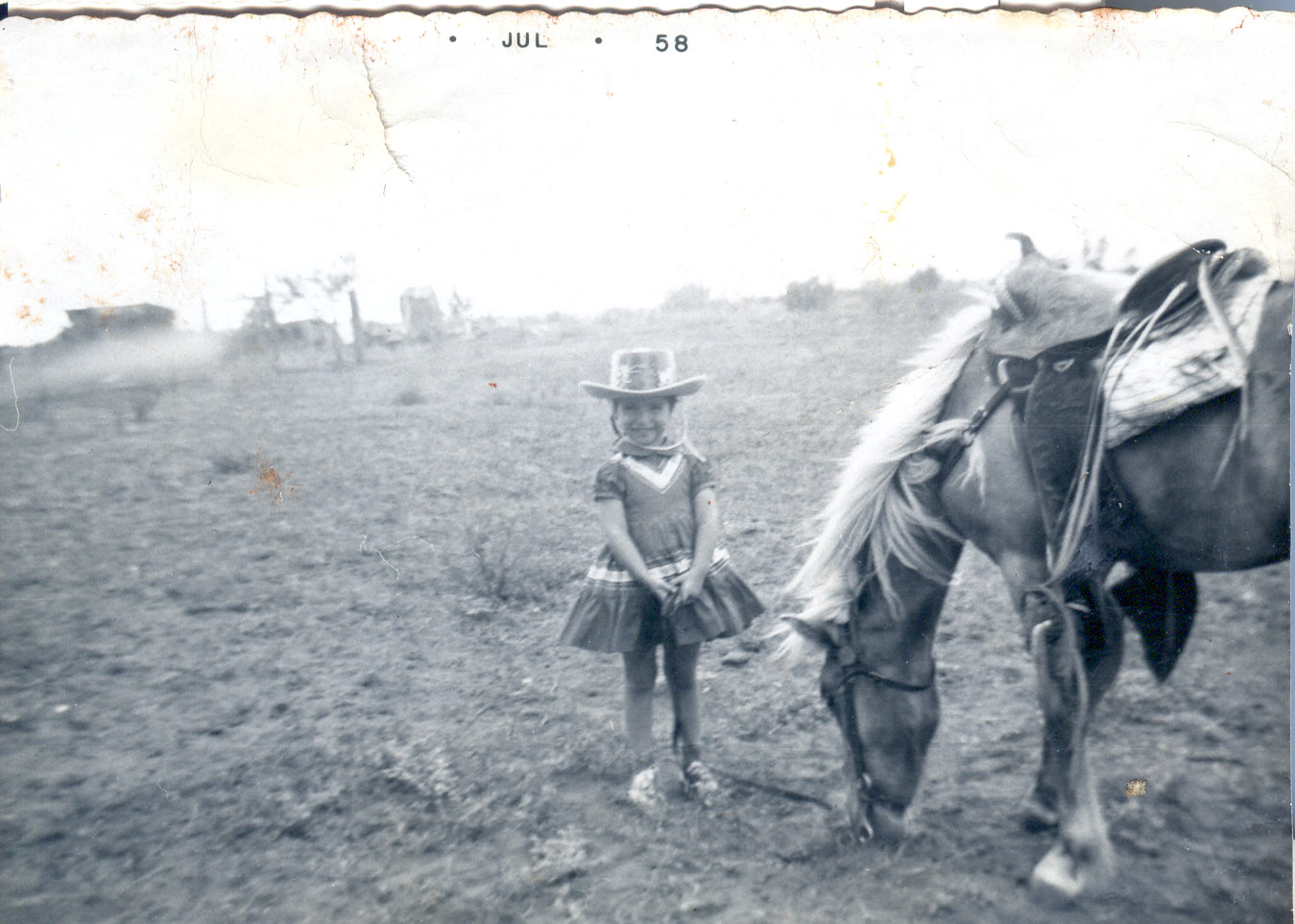
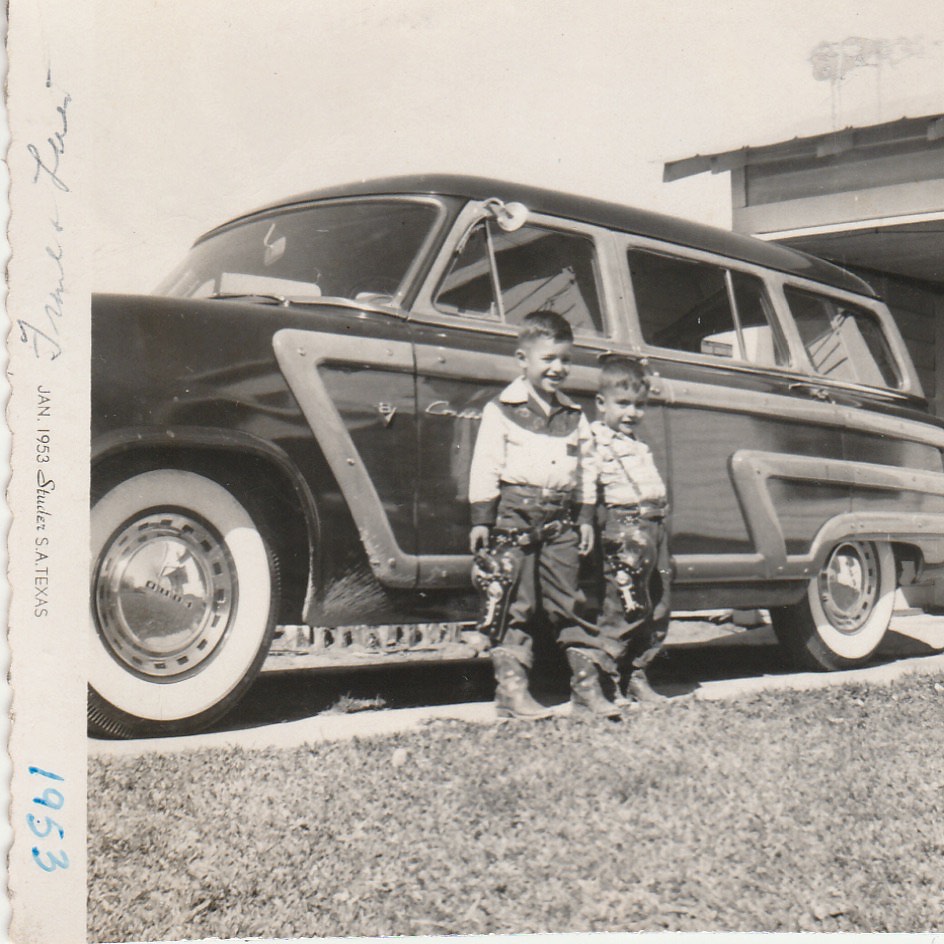
Aunt Mary’s fierce determination and courage, Lula and Berta attended Amanda Burks Elementary. Her victory was a pivotal moment of strength and survival in our family’s history, proving that our community had the bravery to demand equal rights and a better future for our children. Photos include Becky (me) with Tuffy our pony about 1960 and Frank and Luis in Cowboy gear about 1953
Fighting for the Herd: From 1931 to Today
For nearly a century, South Texas cattle ranchers have answered the call to protect their livestock. In 1931, when cattle fever tick threatened the county, local ranchers built 78 dipping vats to systematically eradicate the pest.
That same protective spirit was tested again on June 28, 2026, when a confirmed case of New World screwworm in a local calf triggered a regional quarantine. Once again, LaSalle County ranchers jumped into action—carefully inspecting their herds for open wounds, tick bites, and branding marks to keep our agricultural community safe.
Life on the Land: My Father’s Legacy at Rancho Blanco
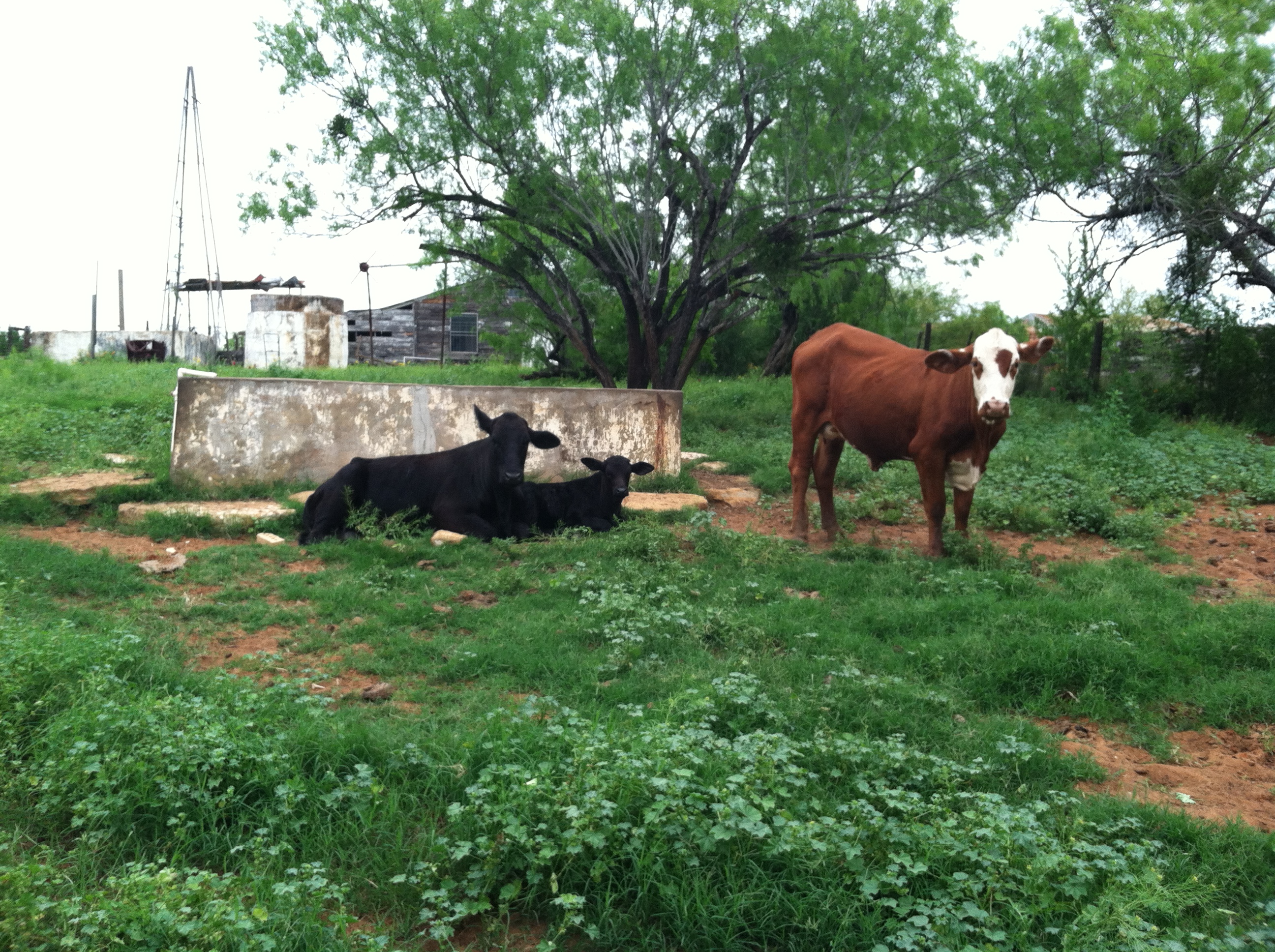
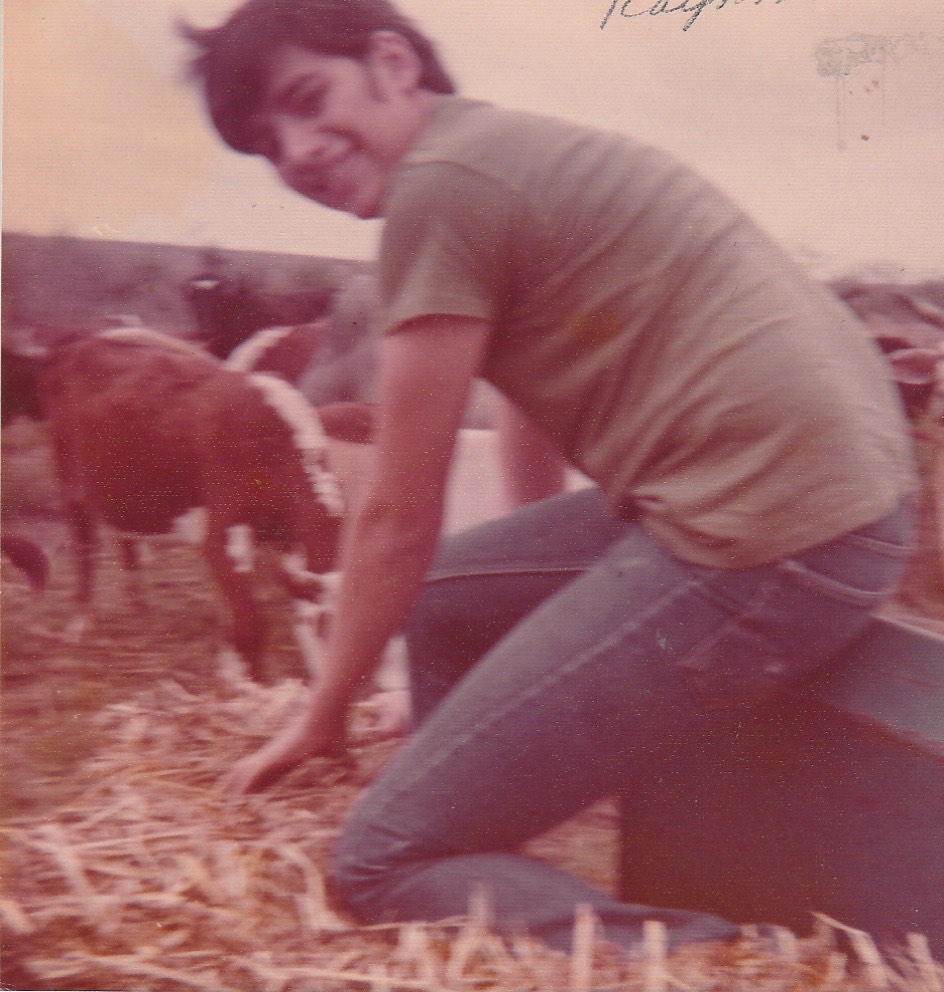
In LaSalle County, farming and wildlife stewardship go hand in hand. While pioneers like John Henderson put Cotulla on the map in 1927 with world-class cantaloupes, my own father built his life’s work right here on the land. Below is a photo of the Esperanza Ranch, near Rancho Blanco and my brother, Ramon with cattle about 1975.
In the 1960s and 70s, my dad farmed sorghum, watermelons, and hay while managing herds of Longhorn, Santa Gertrudis, and Brahma cattle. He was a true steward of the brush country:
He stocked our ranch water tanks with fish, managed hunting leases to protect local wildlife like white-tailed deer and javelina, and taught us to respect the land itself. I still remember him cautioning us never to drive on the dirt roads after a heavy rain—he knew that tearing up the wet soil would create deep ruts, making it nearly impossible to drive out and feed his cattle the next morning.
Rodeo Days at Rancho Blanco
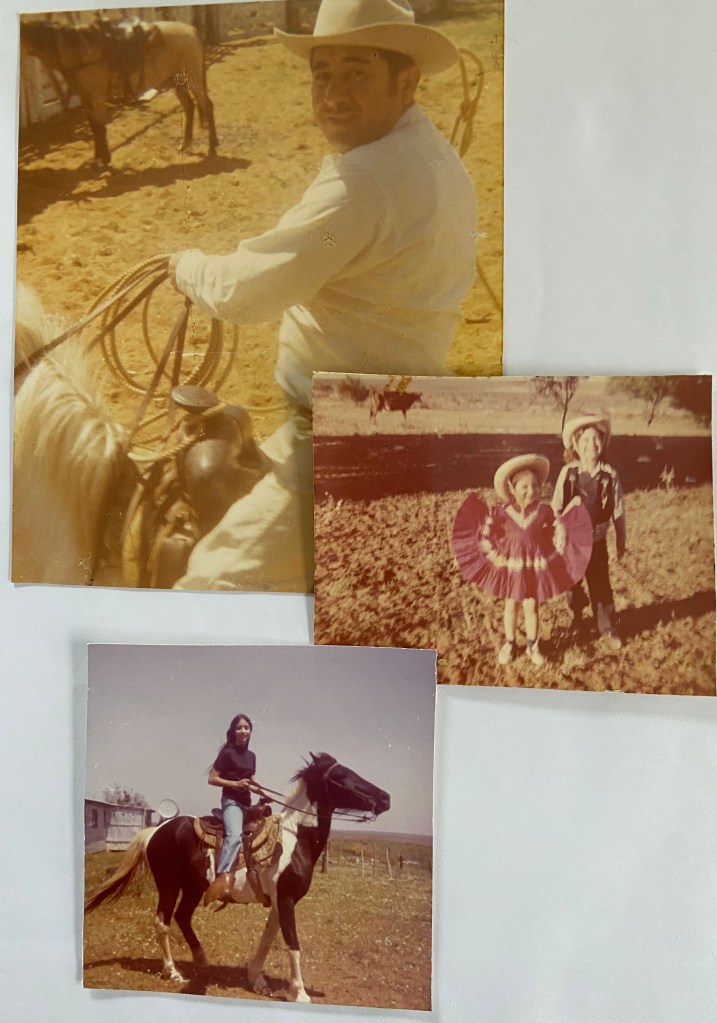
Before rodeos were televised sports held in gigantic stadiums, they were born on local Texas ranches—spontaneous gatherings where cowboys and cowgirls showed off their riding and roping skills after a long cattle roundup.
In the 1960s, our family built a piece of that history right on our own land. After my dad acquired Rancho Blanco, just 4 miles west of Cotulla, he built an authentic rodeo arena.
It became the ultimate training ground for my siblings:
My older brothers, Frank and Luis, rode broncos and roped calves, while my sister, Ana, excelled in barrel racing and goat tying. The siblings even joined forces in the high-energy ribbon races! Sitting up in the announcer’s box with the official timers, my dad loved calling out over the loudspeaker, urging Ana to report to the arena floor for her next event.
Smells of Barbecue and Sounds of Polkas
A Rancho Blanco rodeo was as famous for its food and music as it was for its cowboy riding.
Preparation started early. I interviewed my sister, Ana and she recalls us using a metal tortilla press to flatten out homemade seasoned hamburger patties to sell from my mother’s food truck. As the rodeo crowd grew, the menu expanded into full barbecue feasts—plates piled high with slow-cooked barbecue, potato salad, Spanish rice, and savory pinto beans.
When evening fell and the dust in the arena settled, the barn transformed into a festive dance hall. Under the South Texas stars, the air filled with rich Mexican music—polkas and romantic boleros—as family, friends, and neighbors danced late into the night. It remains one of the fondest and vivid chapters of our life at Rancho Blanco.
“Thrilled Beyond Words”
Cotulla’s official town rodeos became legendary across South Texas, especially during 4th of July celebrations. As the Cotulla Record captured in 1933:
“The show was good. The Cowboys rode ‘em and roped ‘em, the Broncos pitched to the ceiling, the bellowing Brahma twisted into every conceivable shape trying to dislodge their rider, and cowboys rode up one side of the arena and down the other… their hats waving in the air and the audience thrilled beyond words.”
Thanks to organizers like H.D. Storey—who brought in trick riders and professional performers in the 1930s—Cotulla became famous throughout the state for putting on the best show in South Texas, a tradition of celebration and strength carried on by local community clubs to this day
Honoring Our Roots: The Growth of Our Community
I have been referring to Annette book entitled “LaSalle County- South Texas Brush Country from 1856-1975.” Her parents were well-known in Cotulla. Jay W Martin held many civic positions including LaSalle Co Judge from 1950-1969. Annette was a graduate of Texas A&I College in Kingsville, and was involved with the Alexander Memorial Library as secretary for the board directors. I learned some fascinating history, reading her book and have shared many stories and facts from her book.
Annette Martin Ludeman captured a vital truth about South Texas: early Mexican American pioneers built the very foundation of our county through sheer grit, determination, and hard work. She writes
In the early days most of the Mexican Americans were Mexico born and had moved into the area with a vision of greater opportunities for themselves and their families. Due to the hardships of the frontier life it was a constant struggle and extreme hard work for the people of this race to make a living, their names are rarely found in the early days, organization of the county and city. This does not mean they did not play an important role in our early development. None of the big ranches or farms would’ve operated without the labor and determination of the hard-working Mexican Americans. It is interesting that she describes the Mexicans, “a race”. We now classify as an ethnicity but categorized as White. It’s also important to note that some of our grandparents were born in what was then Mexico but located in what is now Texas, only after the Treaty of Guadalupe Hidalgo.
While early pioneer records often overlooked Tejano contributions, Ludeman made sure to honor our family’s achievements on page 36 of her history book:
“The Garcia Brothers, Armando and Reynaldo, have been successful businessmen of Cotulla for years. Dan Garcia operates a furniture store while his two brothers each operate grocery stores… Their deep interest in better and more education for the next generation has no doubt been responsible for the great strides made over a short span of years.”
Alongside other early business families like the Ramirezes, Carpenters, Peñas, Sanchezes, Lopezes, and Mendezes, our family helped transform Cotulla from a quiet frontier outpost into a modern community where there is Mexican Americans representation in the community. Today Mexican-Americans can be elected to political roles. In 1975, the mayor and many of the councilman, school trustees, and other officials are Mexican American decent.
From Cotulla Classrooms to the White House
Our family’s story is tied directly to a pivotal moment in American history.
In December 1928, a 20-year-old future president named Lyndon B. Johnson arrived in Cotulla to teach at the all-Mexican Welhausen School. His time teaching young students—including my Uncle Dan Garcia—left a lasting impression on LBJ that shaped his lifelong passion for civil rights and education. He was shocked and surprised by the poverty and little resources for the school and the students. He was so popular that even the students at the Cotulla High School would request his speeches, humor and lessons during school assemblies.
Decades later, the bond between the teacher and his student remained strong:
- The Surprise Visit (1960): While visiting Cotulla as Vice President of the United States in 1960, LBJ insisted on stopping by Uncle Dan’s furniture store to catch up, proving he had never forgotten his former students.
In 1960, Ludeman writes that the then Vice-President attended a wedding of their mutual cousin. The staff at Cotulla Airport called the cousin’s family to send a car to accompany the Vice President and his wife, so they could attend the wedding. A big surprise to the family, that the Vice President and his wife had been invited but never expected their attendance.
- Return to Welhausen (1966): In 1966, as now President of the United States, Johnson returned to his former classroom at Welhausen School to speak on national education reform and reunite with his original class.
- An Invitation to Washington: President Johnson subsequently extended a personal invitation to Uncle Dan Garcia to visit him at the White House, where the two spent time reacquainting and reflecting on how far both they—and Cotulla—had come.
Our family didn’t just witness history—we lived it, shaped it, and proved that with education, hard work, and unity, our community could reach the highest levels of success.
More history can be found in upcoming chapters and the biography of Dan Garcia, Armando Garcia, Reynaldo Garcia and Juanita Garcia.
Sources:
A History of LaSalle County-South Texas Brush Country 1856-1975, by Annette Martin Ludeman, Nortex Press. Quanah, Texas 1975.ISBN 0-89015-100-8. Cornell University F392, L4,L94+
Settlement of the Cibolo-Nueces Strip: A Partial history of LaSalle County by Stanley D Castro. The Hill Junior College Press. Hillsboro Texas, 1969. University of Chicago Library , F392. L4C34
The Indians of Texas in 1830 by Jean Louis Berlandier. Edited by John C Ewers. Smithsonian Institution Press. Washington 1969.
Interviews with Ana Garcia Spain, Juanita Sanchez and Graciela Garcia






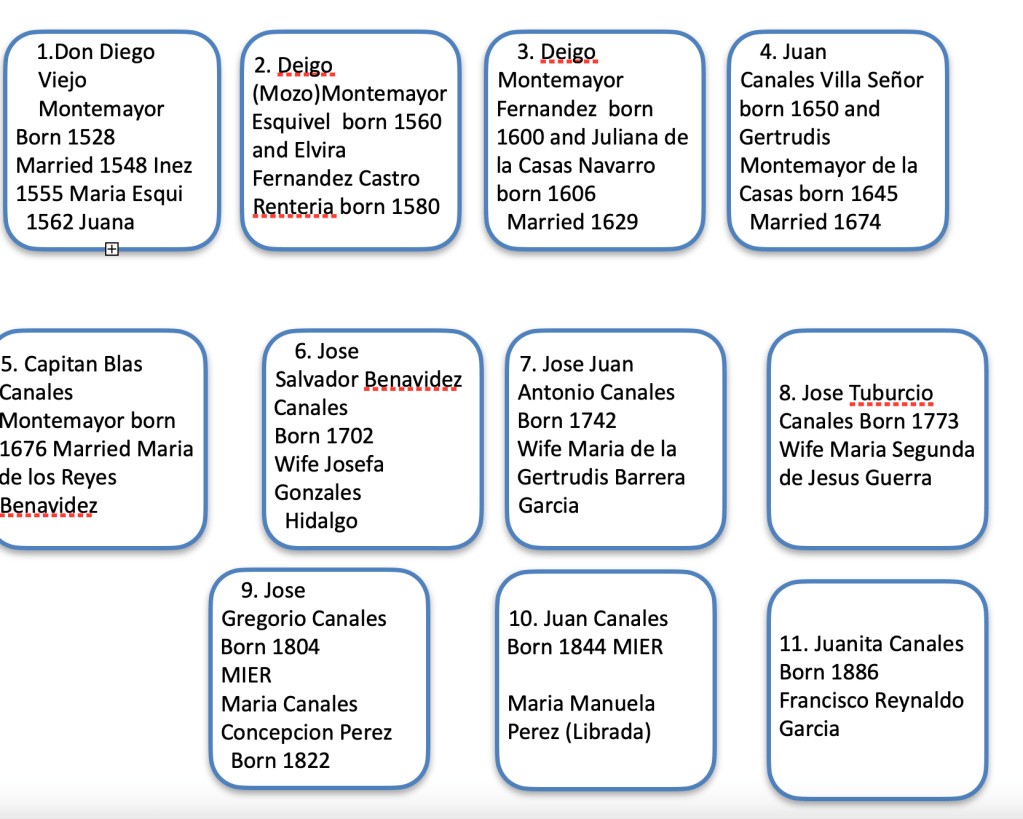
 Garcia Guittar Family History